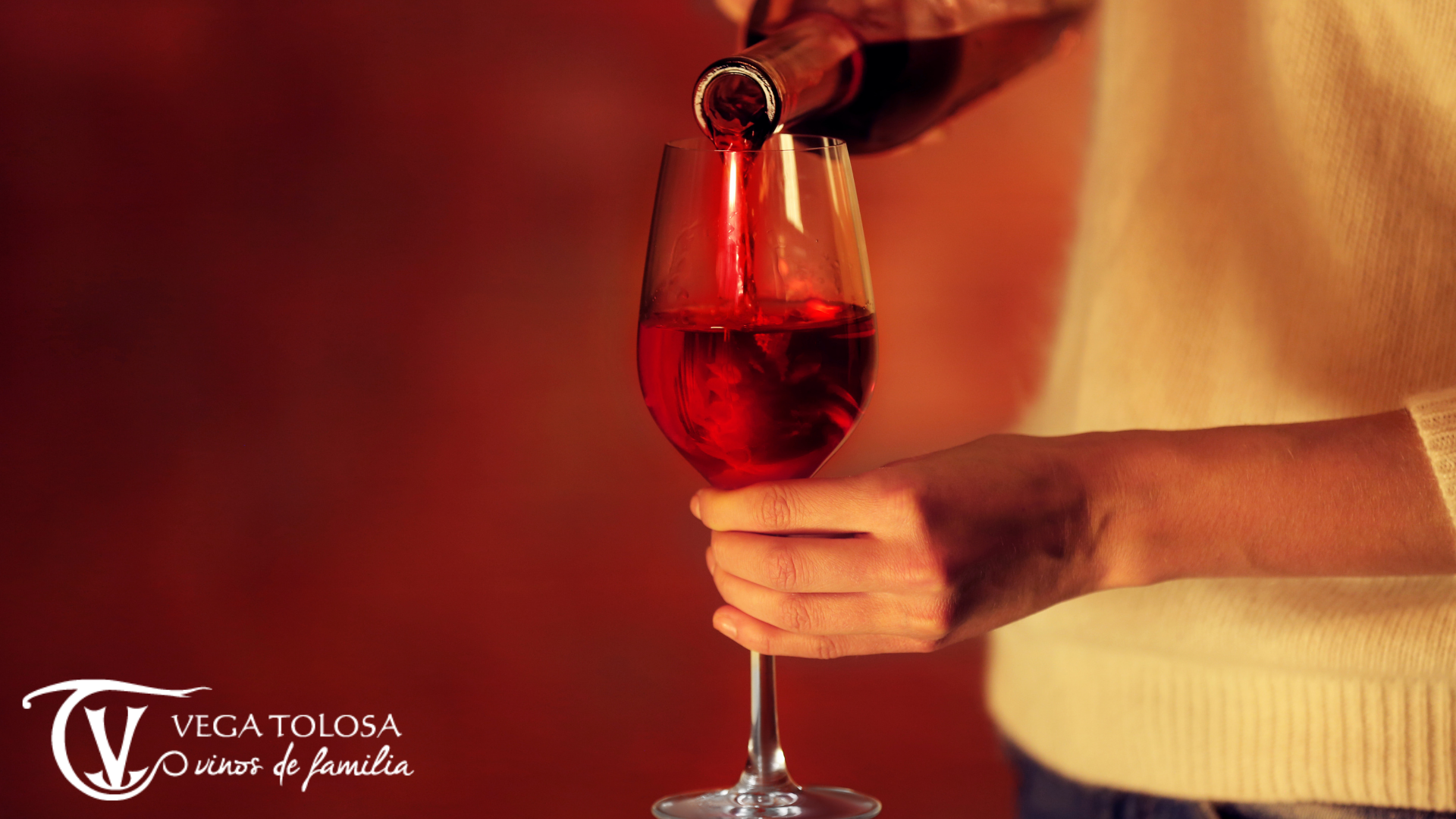
The rosé wine, Although inferior in popularity to white and red, it has its own connoisseurs and admirers. The rosé wines of La Manchuela are no less and are well known among lovers of this drink.
There are many global celebrities who not only value rosé wine as consumers, but also grow it. For example, American musician John Bon Jovi makes his rosé wine, which a couple of years ago was one of the best-selling wines in the United States in its segment. And the star of the acclaimed series Sex and the City, Sarah Jessica Parker, recently proved herself as an oenologist: makes an excellent rosé wine of the Sir and Garnacha varieties.
To produce a good rosé wine you need: good grapes, experienced winemakers and artists, and the generosity of the southern sun; getting the rosé wines from La Manchuela are so aromatic that they are by no means inferior to beverages produced under global celebrity brands.
The rosé wine is one that has some of the typical color of red wine, but only enough to give it a pink color. Pink is produced in various shades, from pale orange to an almost violet live, depending on the grapes, additives and production techniques used.
Historically, rosé was a rather delicate dry wine. After the Second World War, medium sweet rosés became fashionable for mass consumption, being classic examples the Mateus Rosé and the blush 1970s Americans. The same name ‘blush’, meaning ‘blushed’, came about by chance, when American winemaker Charlie Krek showed one of his friends a wine made from Cabernet Sauvignon grapes, the colour of which was not similar to the rosé wines known at the time. The friend jokingly suggested calling the wine ‘blush’, and the entrepreneur Krek soon registered the Blush brand. The name was used as a trademark for semi-sweet wines in the United States.
There are three ways to produce rosé wine: by contact with skins, by bleeding (saignée) and by mixture.
In addition to the usual rosés and reds, they also distinguish orange wine or amber wine. It is wine made with white grape varieties that has spent some time macerating in contact with skins.
It is curious that rosé wine can be made with any red grape variety.
Given that Bobal is one of the most common grape varieties in Castilla La Mancha, it is logical that the best rosé wines of La Manchuela are made from this grape variety. Bobal is a red grape variety that has great potential for organic viticulture. It gives a wine more acidic and less alcoholic than most Spanish varieties. It is a large strain, of semi-erect size, with thick erect and dense branches. Bobal's rosé wines offer a light aroma with herbaceous tones and medium acidity.
According to the information of the Pro-Vinos Denomination of Origin Association, the rosé wines of La Manchuela have a beautiful strawberry pink color with violet flashes. In the nose, the primary aromas of good intensity predominate, highlighting those of red fruits such as strawberry and raspberry, which are again expressed in the mouth with cheerful, lively, balanced and elegant notes.
In La Manchuela, where about 2.5 million hectolitres of high-quality wine are produced annually, the proportion of rosé wines is unremarkable. But this does not mean that there are no real treasures. Among the rosé wines of La Manchuela, it stands out Capricho Divino Rosé from the VegaTolosa Winery – Organic and vegan young semi-sweet 2020 rosé wine. The wine gives an intense aroma of sweets, memories of raspberries and violets and has an attractive pink and crystalline color. It is made by cold pre-fermentation maceration to achieve the desired color, fresh aromas and good mouth. It is peeled by gravity and the resulting flower must is fermented at low temperature. Of course, this wine is produced from the Bobal grape, which is grown 750 meters above sea level.
All rosé wines of La Manchuela are characterized by the acidity and lightness inherent in white, there is also the saturation inherent in red. Thanks to this, pink can be called as universal: combines well with dishes of meat, fish and vegetables, fruits, almost any food. The rosé wine goes especially well with paella, seafood, most cheeses, pates and desserts. It is served cold at 8-10 °C. This is a great drink for a romantic date and for a hot summer night.
And what is especially important: To drink a delicate rosé wine you don't have to be a celebrity or travel to other countries. All the nuances of taste and pleasure will be presented to you by the rosé wines of La Manchuela.



 EN
EN  ES
ES  DE
DE